A brief discussion on the use of symbolism in ‘Glenrowan’.

 Glenrowan
A brief discussion on the use of symbolism in ‘Glenrowan’.
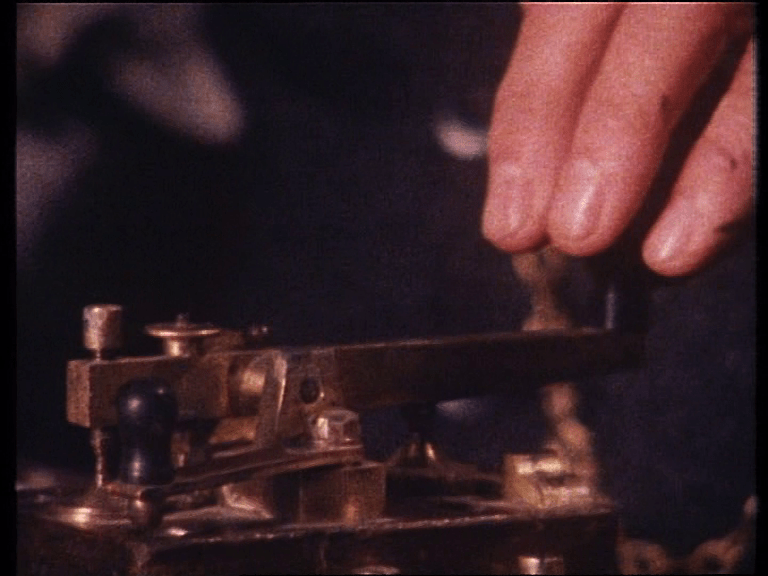
When the Kellys were Cornered (1931, December 12). The Argus (Melbourne, Vic. : 1848 – 1957), p. 8. When the Kellys were Cornered Dramatic Series of Telegrams By L.T LUXTON Like Robin Hood and his merry men, Ned Kelly and his picturesque ruffians are gradually acquiring the rosy glow of heroes of romance. How Ned and […]

The core of the Glenrowan story is Ned Kelly. Everything that occurs is either directly or indirectly linked to him and his decisions. Naturally this should position him as the protagonist of the story, though protagonist usually implies that character is the “good guy”. As I’ve discovered, simplistic terms like “good”, “bad”, “hero”, or “villain” are just completely inadequate to describe someone as complex as Edward Kelly.
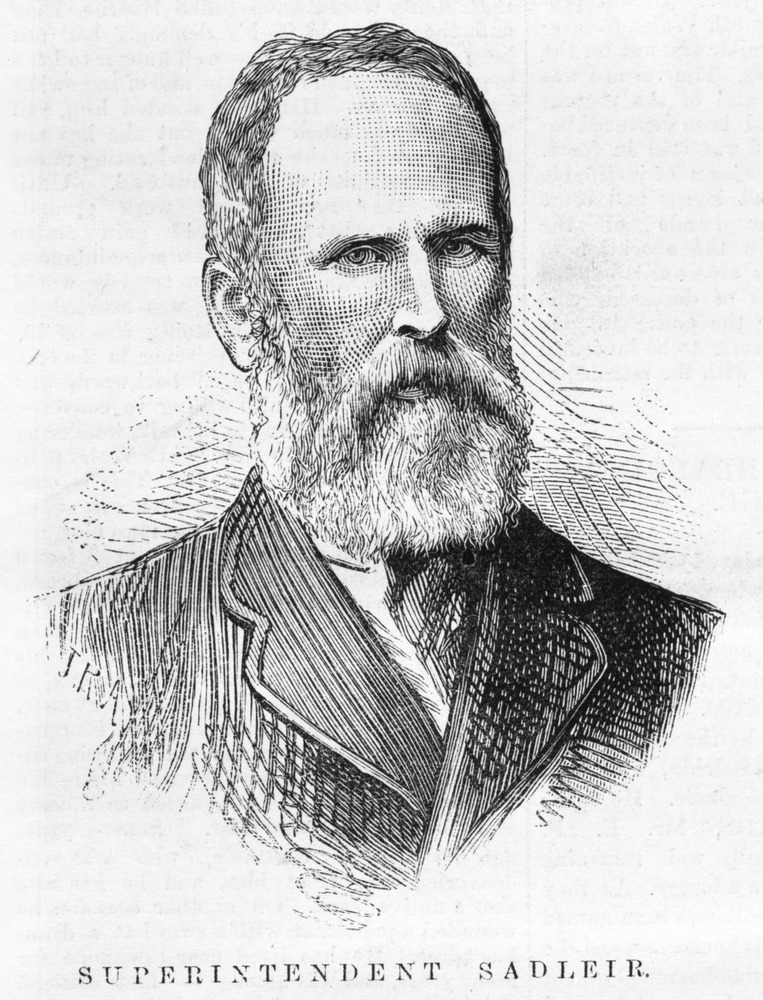
Extracts from Superintendent John Sadleir’s memoirs concerning the Glenrowan Siege and the events that led to it.
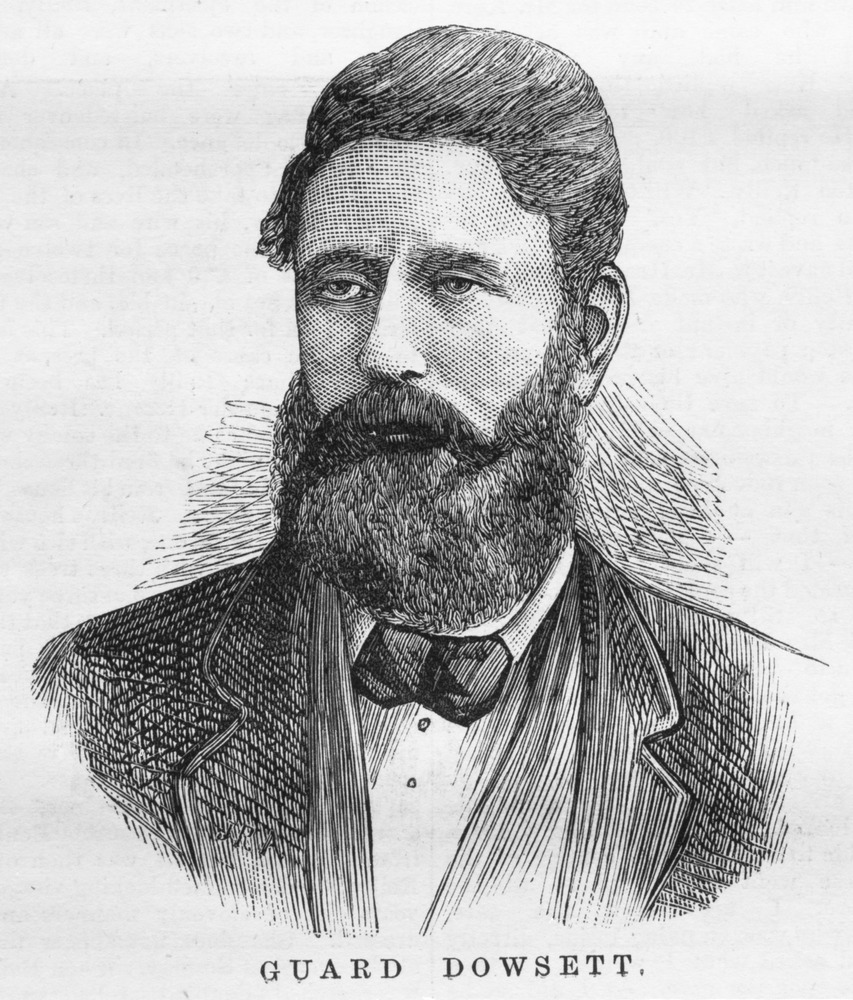
A first-hand account of Jesse Dowsett’s rescue of Margaret Reardon and his involvement in Ned Kelly’s capture.
The chief commissioner of police has received the following report from Mr. Curnow, late schoolmaster at Glenrowan, of his proceedings in connexion with the Kelly gang :—
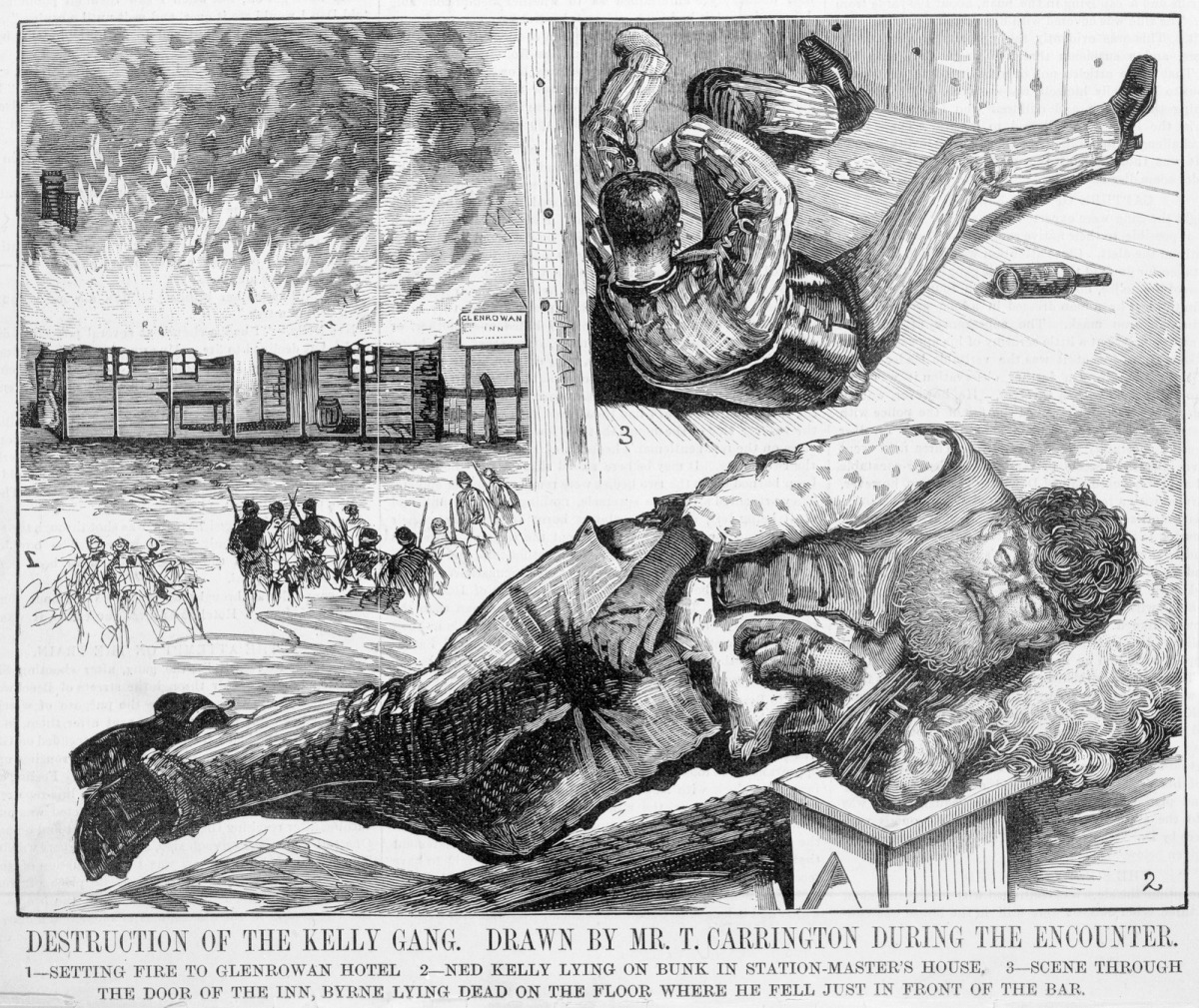
“After the house had been burned, Ned Kelly’s three sisters and Tom Wright were allowed an interview with him. Tom Wright, as well as the sisters, kissed the wounded man, and a brief conversation ensued, Ned Kelly having to a certain extent recovered from the exhaustion consequent of his wounds.”

The following information comes from the evidence of Henry Armstrong who had been one of the constables stationed with Aaron Sherritt the night he was murdered. It concerns the events leading up to the murder that may have played a role in Aaron’s death, and follows the narrative through the murder with the occasional detour. These are merely extracts from the evidence, rather than the evidence in its entirety in order to keep it as focused as possible on the subject of Aaron Sherritt.
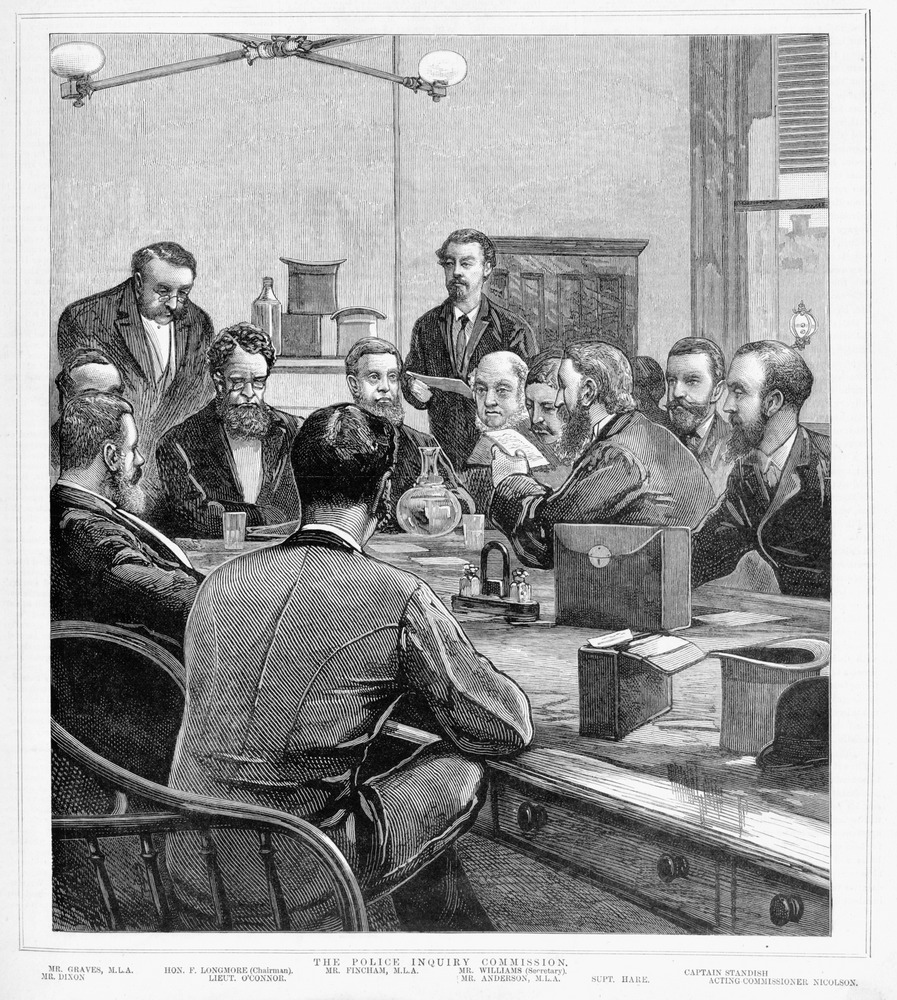
The following extracts come from Superintendent Hare’s testimony during the 1881 Royal Commission. We begin with Hare’s account of the events leading up to the siege and his involvement in the early stages, including his injury. We close on Hare recounting some of his frustrations with the police that were to be working with Aaron Sherritt, as well as a brief account of a discussion with the “Diseased Stock Agent” about the armour.

Aidan Phelan discusses the challenge of working out what to keep in snd what to take out when adapting history into a narrative text.
 Glenrowan