Ned Kelly tells his own version of what happened at Glenrowan in a letter from the condemned cell at Melbourne Gaol.
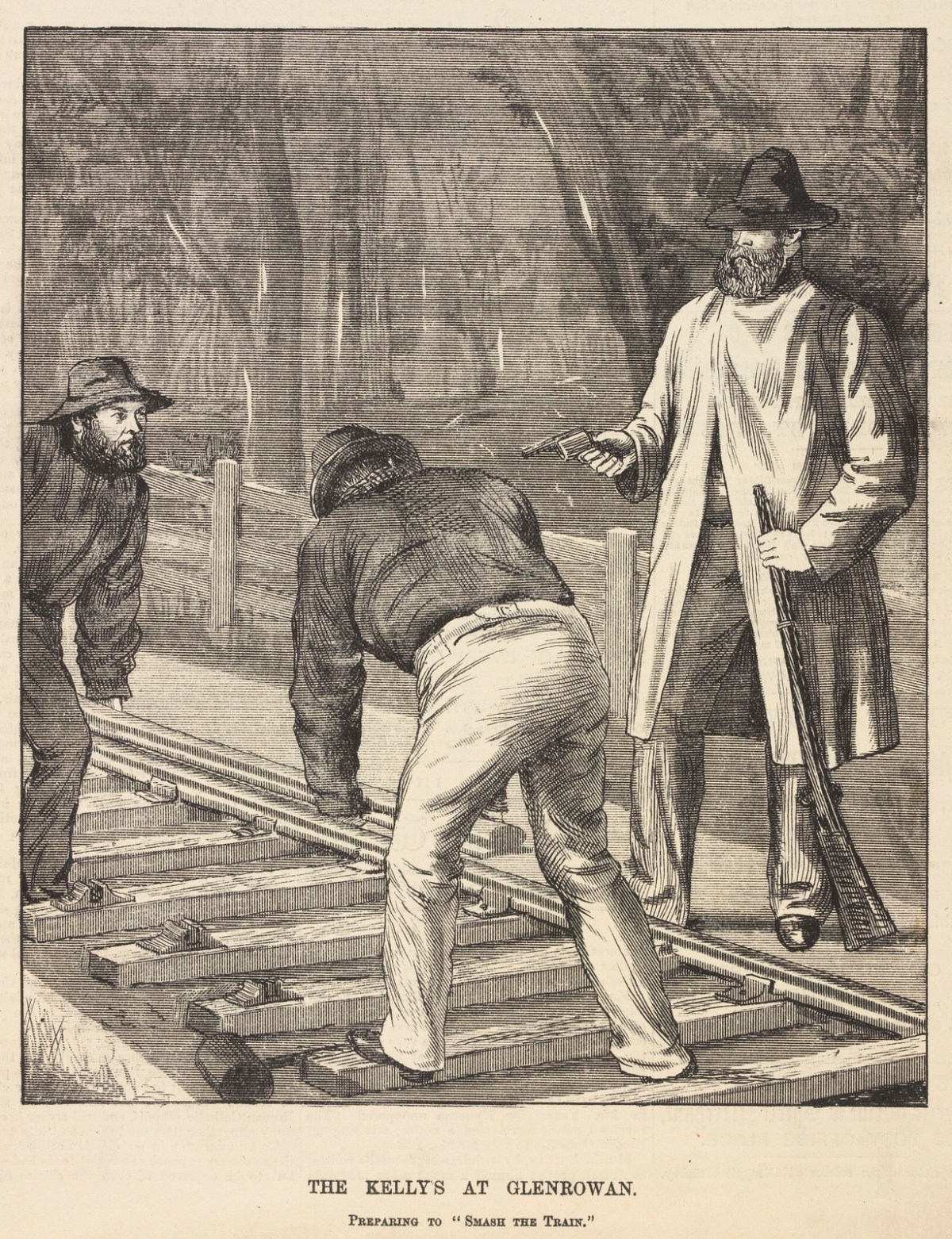
 Glenrowan
All about Ned Kelly, Dan Kelly, Steve Hart and Joe Byrne.
Ned Kelly tells his own version of what happened at Glenrowan in a letter from the condemned cell at Melbourne Gaol.
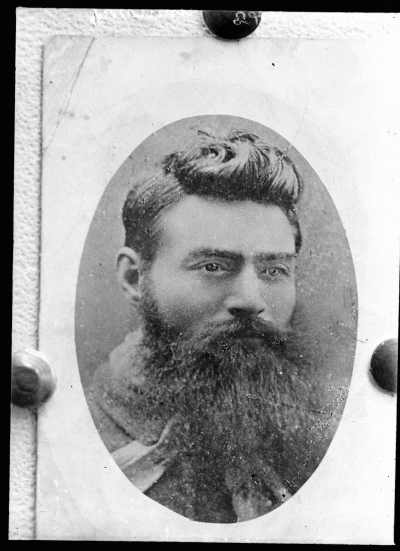
I wish to place before you the facts of my case, which have never been placed in their true light. As represented, I took up arms in 1878 for the purpose of shooting the police, but six months elapsed between the shooting of Constable Fitzpatrick on the 13th of April and the Stringy-bark tragedy on the 26th of October, 1878, and there neither was robbery nor any other offence reported as done by me or my companions.

The Kelly armour is one of the most famous, and popular, symbols in Australian culture. It has helped to elevate Ned Kelly from being a mere bushranger to being a symbol of rebellion. But, how did it come to be and how have these four steel suits become such important historical relics? This article will give you all you need to know.
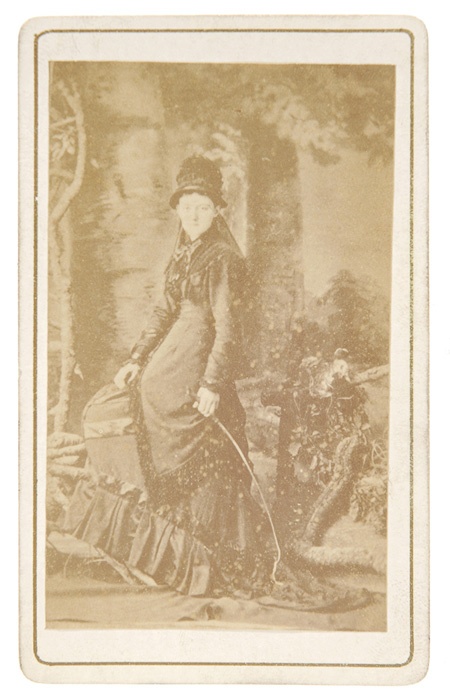
An excerpt from chapter one: Loyalty concerning the outlaw Kelly brothers and their siblings.
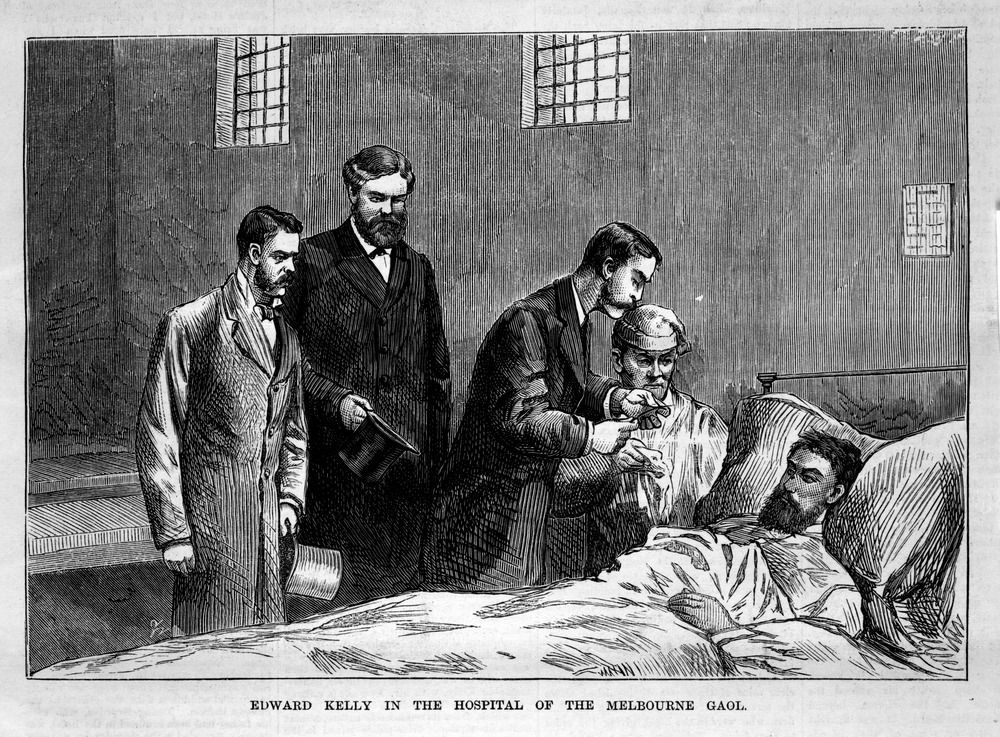
NED KELLY (the Melbourne Herald learns) is cheerful and hopeful. He displayed in gaol none of the bloodthirsty characteristics attributed to him. He was indeed so mild and quiet in his demeanour that it was difficult to reconcile him with the terrible bushranger of the newspapers.
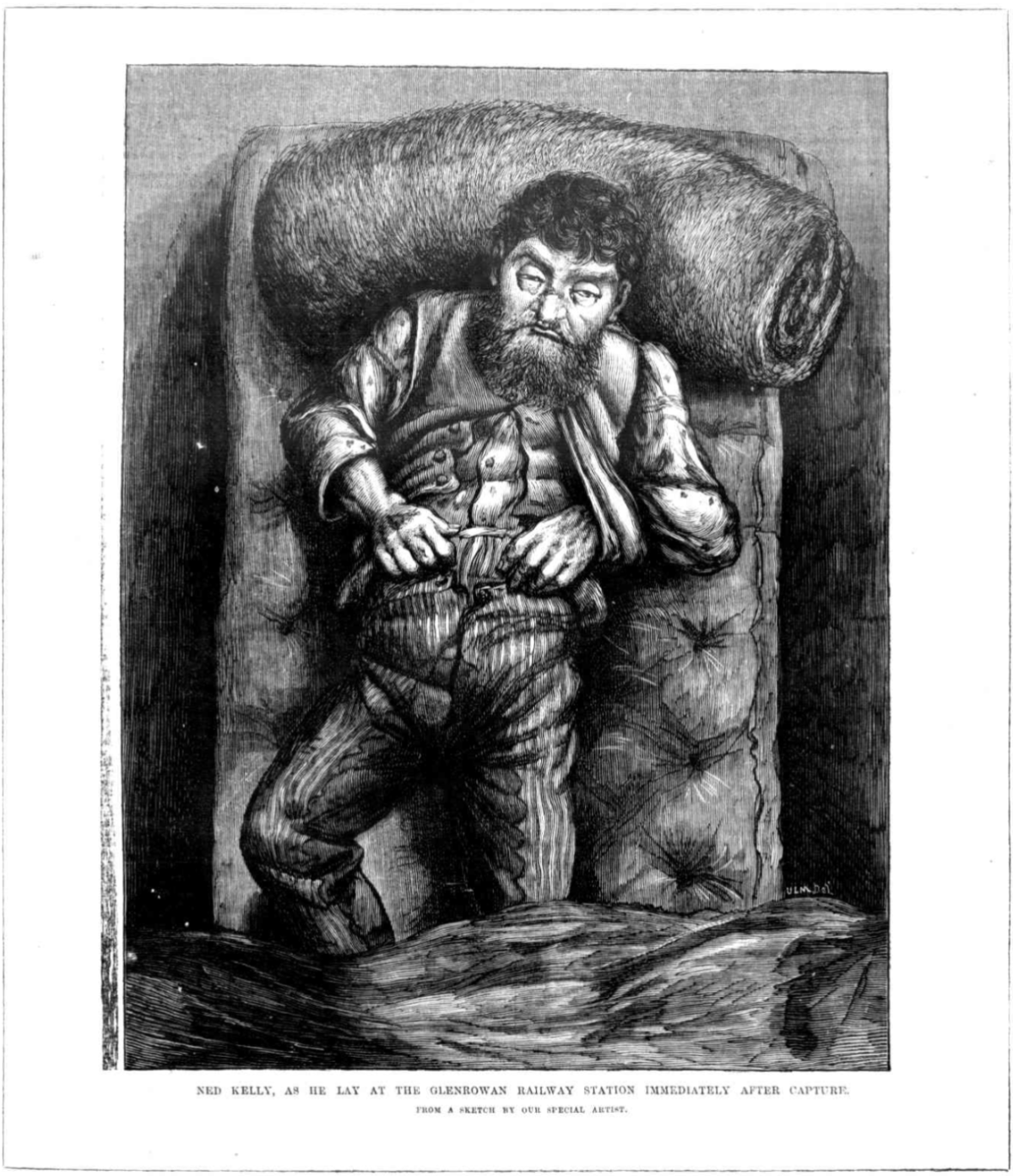
An account of the events at Glenrowan told by the medic who attended Superintendent Hare and Ned Kelly.
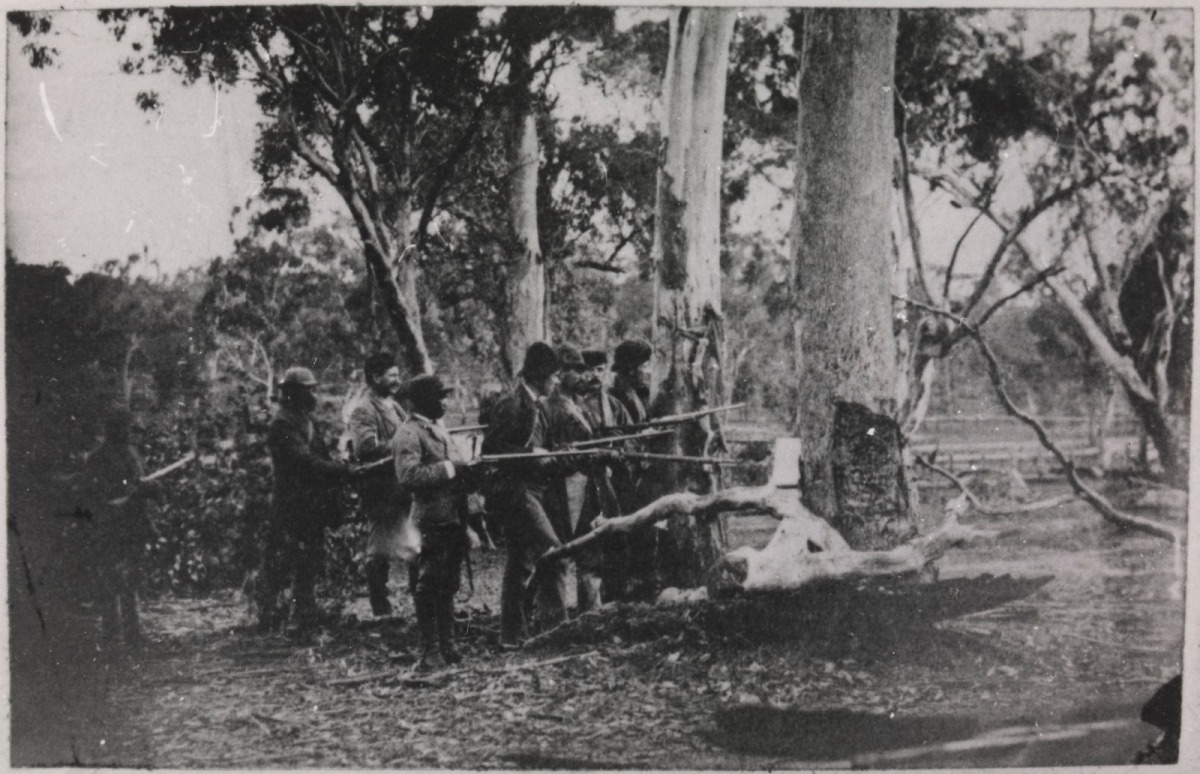
Two letters to the editor criticising the police actions at Glenrowan.

A news report covering Ned Kelly’s transfer to Beechworth and Aaron Sherritt’s relationship with the Kellys and police that led to his murder.
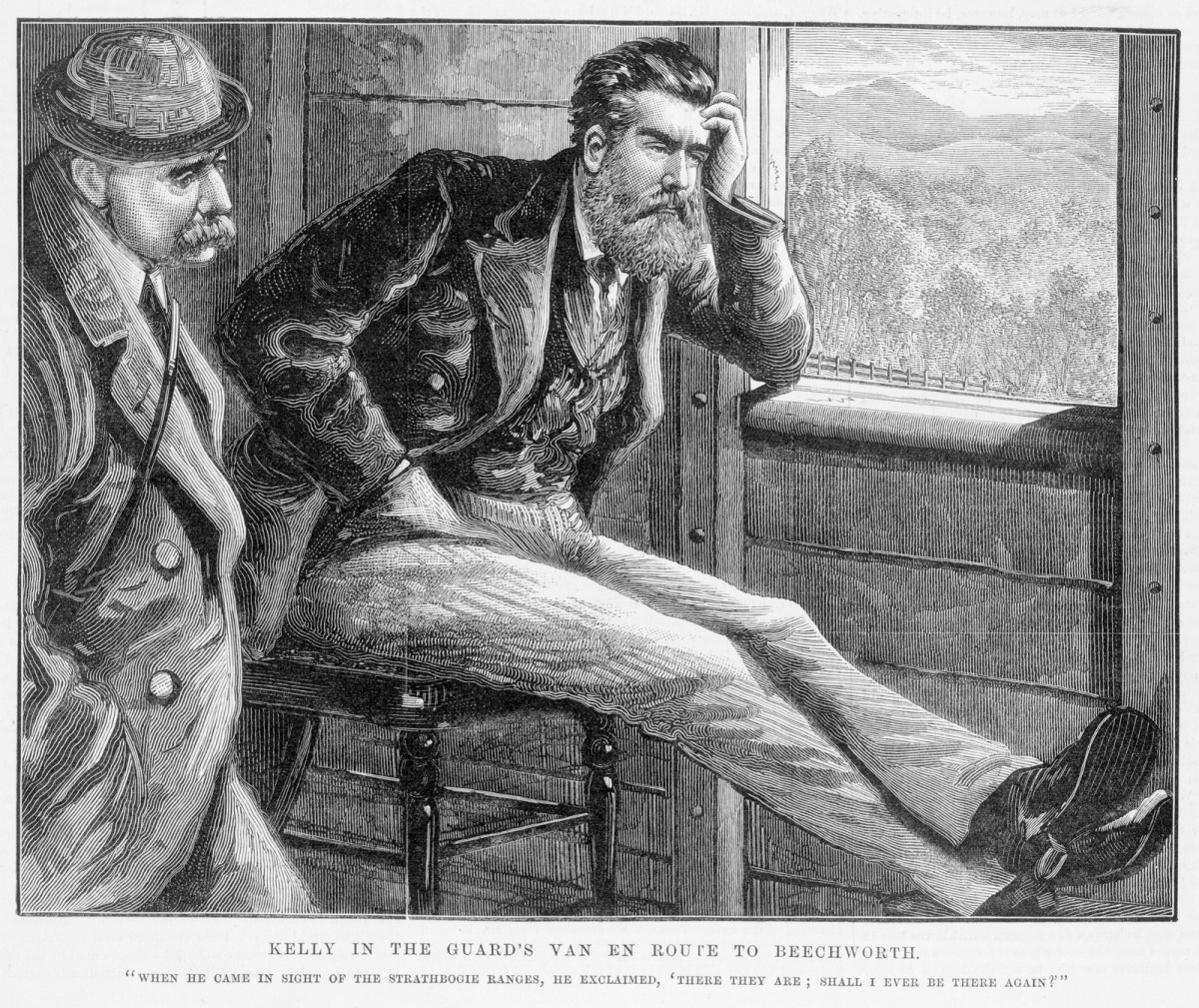
A news report describing Ned Kelly’s conduct en route to Beechworth for his committal hearing.
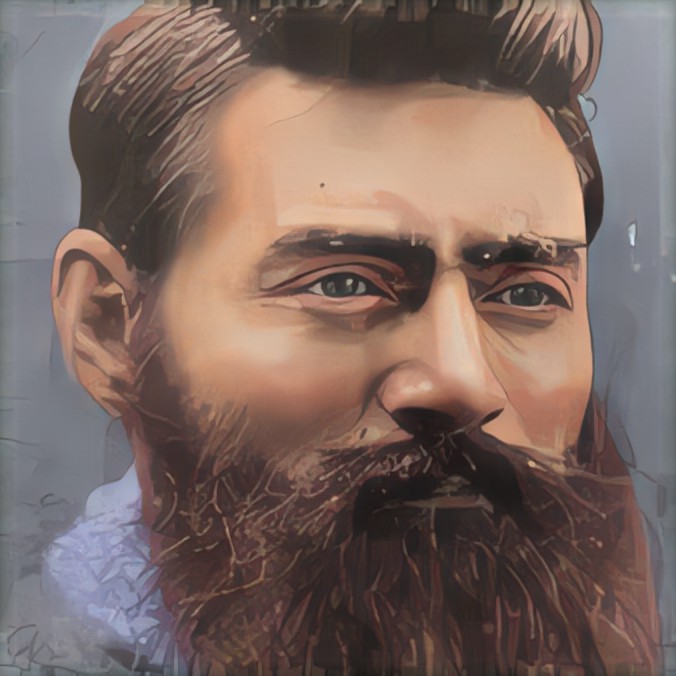
A quick overview of key points about the historical outlaw.
 Glenrowan