“The outlaws were very civil and joked and laughed with us constantly. They brought us brandy when we required it. Hart said that he had drunk six nobblers of brandy, and it was so bad that if he took another he thought he would lose his head.”
 Glenrowan
“The outlaws were very civil and joked and laughed with us constantly. They brought us brandy when we required it. Hart said that he had drunk six nobblers of brandy, and it was so bad that if he took another he thought he would lose his head.”
“The excitement caused here by the conflict between the police and the Kellys, and the destruction of the desperate gang of outlaws, is subsiding. A general feeling of relief is experienced by the respectable inhabitants of the district, and it is pretty certain that now the gang are no longer to be feared that some of their movements during the past twelve months will be made known. Already stories concerning their movements are freely circulated, and from these it is apparent that the police have during the past month or six weeks made it very unpleasant for the outlaws.”
“The case of Mrs Ann Jones, of Glenrowan appears to be an exceptionally hard one.”
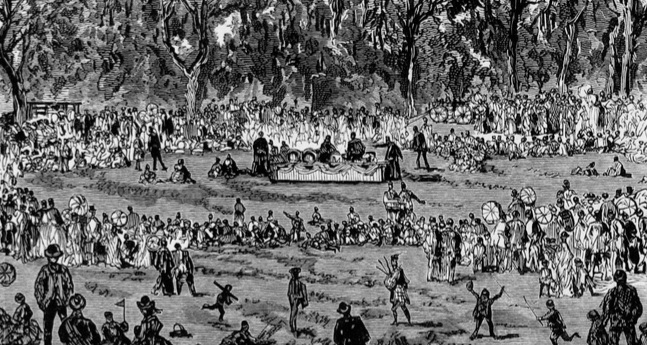
On Friday, September 9, a large gathering of Benalla state school children was conveyed from Benalla to Glenrowan in two special trains, for the purpose of spending the day in a picnic on the ground rendered memorable by the fight which took place upwards of a year ago between the Kelly gang and the police.
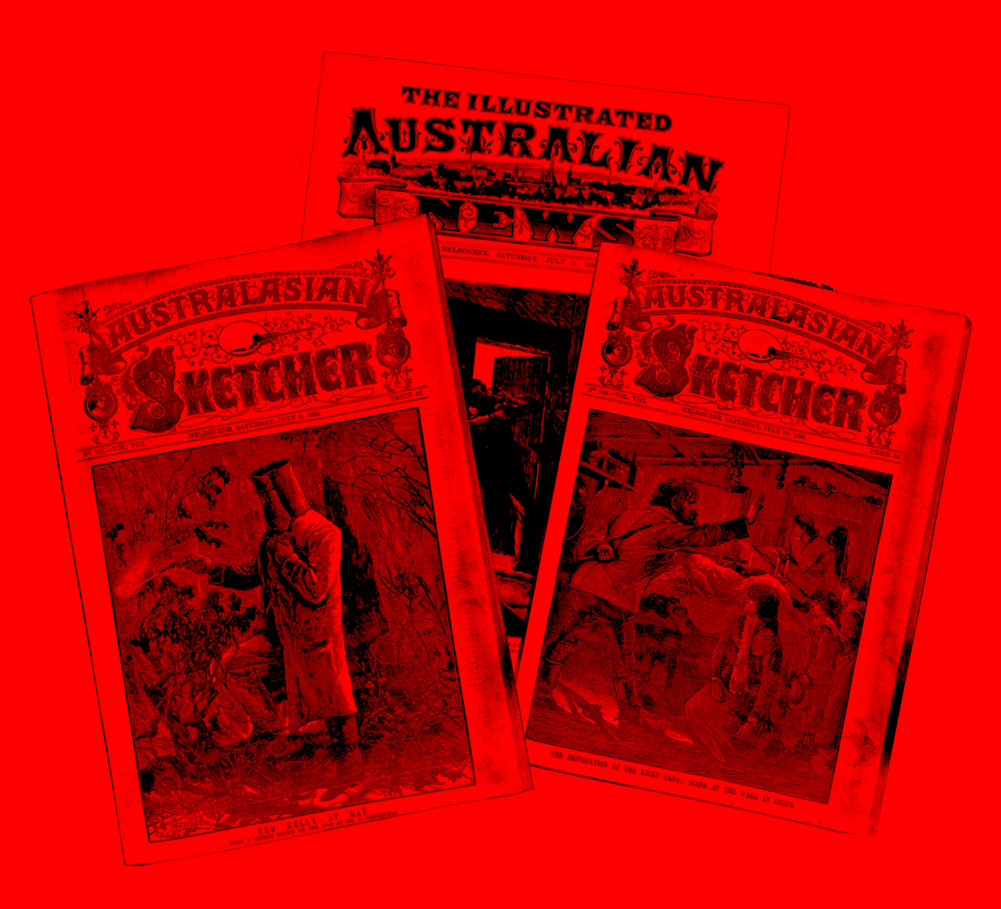
A summary of news reports pertaining to Ned Kelly’s upcoming hearing, the armour, the injured Reardon boy, the burning of the inn and more.
The following description of what took place at Glenrowan is taken from the Melbourne Age of June 29, and although going over the same ground as the telegrams already published, contains fuller information…
“When he stuck up Bracken at the police station, he went into Bracken’s bedroom, and found Mrs. Bracken in bed with her little son. He shook hands with the little boy, and said, “I may be worth £2000 to you yet, my child.” He then demanded handcuffs and cartridges from Bracken, who had, however, to defend his office, where these things were, by cunning, evasive replies, for had Kelly got the handcuffs he would in all probability have put a pair on the constable, who would then have been unable to escape from the hotel, as he so opportunely did.”
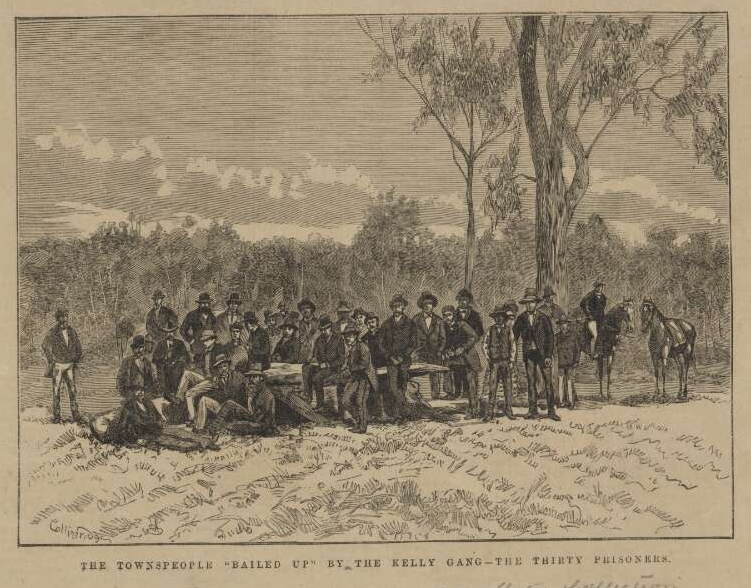
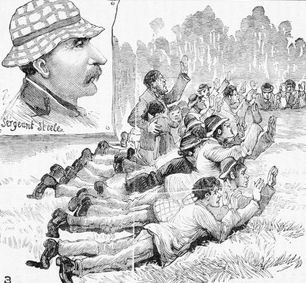
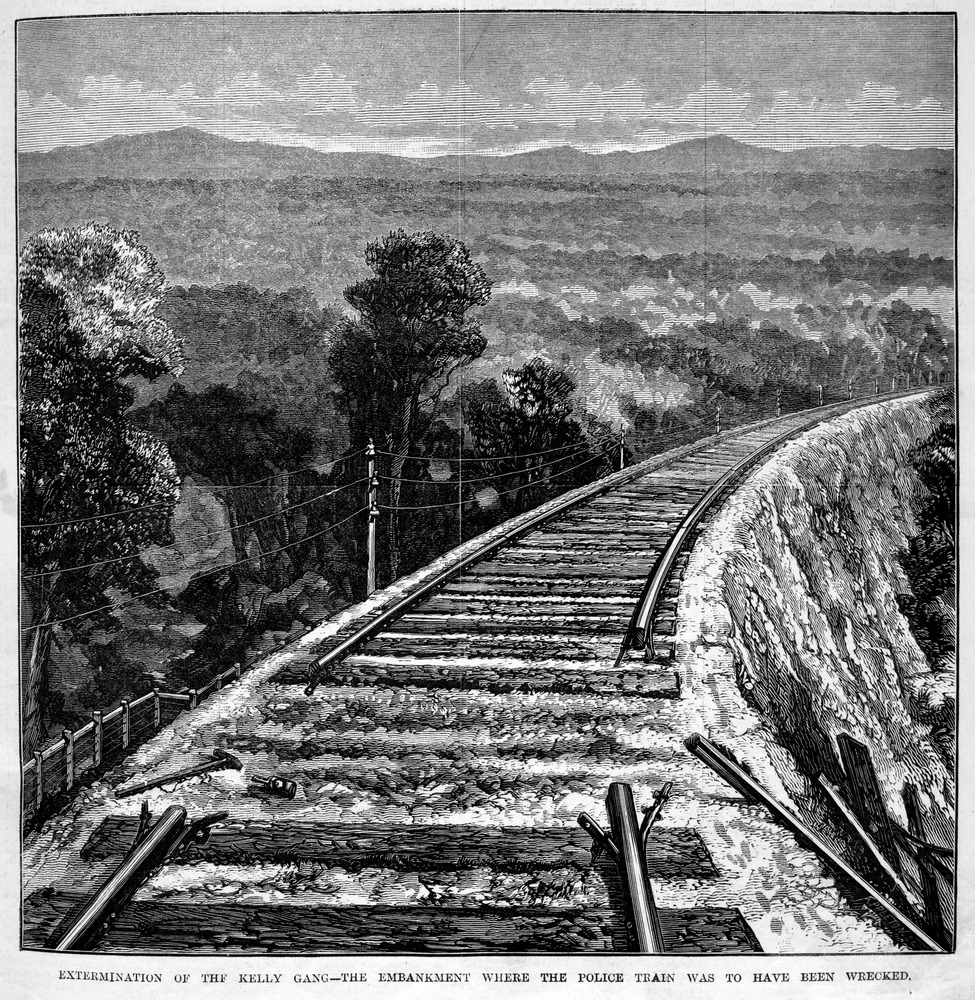
The whole of the members of the gang were very jolly, and Ned told us that they had come there to settle the black trackers, and that he would be on the spot when the train ran over the culvert, and would shoot all who were not killed. We knew we could do nothing, and therefore did not take any steps to warn those in the train of the danger. Every member of the gang was then sober. They showed us their armor, and seemed to think that the police could do them no harm. At half-past two on Monday morning Ned Kelly said something to the effect that he did not think the special train was coming, and I then asked him if we could go home. He said ‘Yes,’ and I thanked him.
An account of Glenrowan from the Glenrowan stationmaster, John Stanistreet.
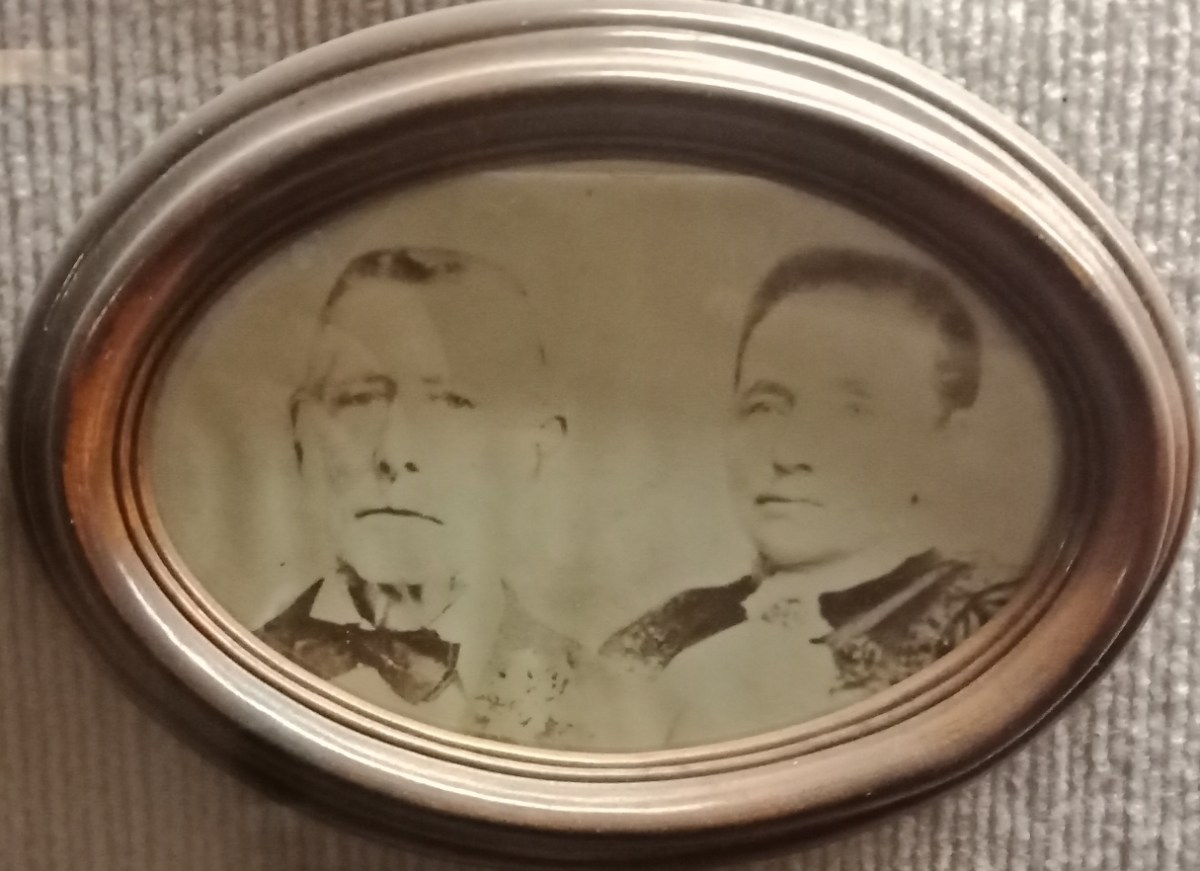
Margaret Reardon’s account of the Glenrowan siege, including her escape from the inn, from the 1881 Royal Commission.
 Glenrowan